
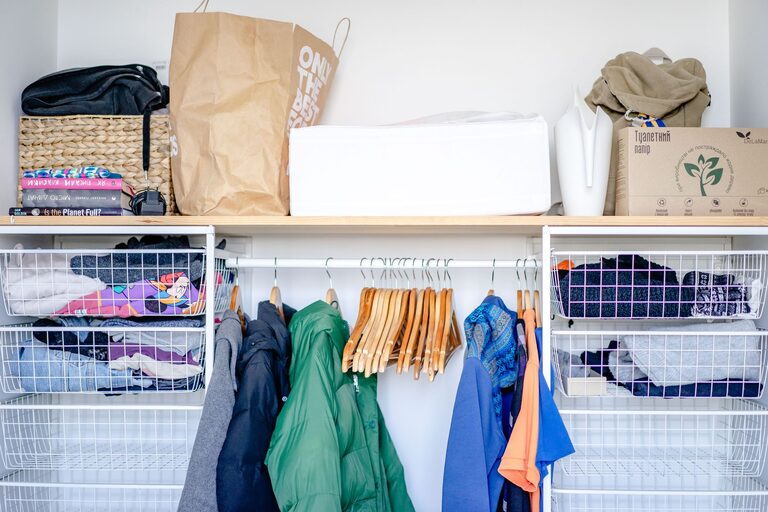
Storing seasonal clothes efficiently can save you time, space, and stress throughout the year. When the weather changes, swapping out your wardrobe shouldn’t mean digging through piles or dealing with wrinkled, musty clothes. With a little planning and the right methods, you can keep your clothes in great condition and your closet organized.
In this post, we’ll walk you through easy, practical tips to store your seasonal clothes efficiently. Whether you live in a small apartment or a spacious home, these ideas will help you make the most of your storage space.
Why Store Seasonal Clothes Properly?
Before diving into storage tips, it’s important to understand why proper storage matters:
– Protects fabrics: Proper storage prevents damage from moisture, insects, and dust.
– Saves space: Efficient storage frees up closet or drawer space during off-seasons.
– Keeps clothes ready: Clothes stay fresh and wrinkle-free, so they’re ready to wear when the season returns.
– Simplifies wardrobe management: Easy access to what you need keeps your daily routine smooth.
Prepare Clothes Before Storing
Clean Everything First
Always clean your clothes before packing them away. Dirt, oils, and stains can attract pests or become harder to remove over time. Follow care label instructions for washing or dry-cleaning.
Repair Damage
Fix loose buttons, missing zippers, or small tears before storing. This ensures your clothes are ready to wear and helps avoid damage worsening.
Dry Completely
Make sure clothes are completely dry to prevent mildew or mold growth during storage.
Choose the Right Storage Containers
How you store your clothes matters just as much as cleaning them. Consider the options below:
Clear Plastic Bins
– Protect clothes from dust and pests.
– Transparent sides let you see contents without opening.
– Stackable for space-saving.
Breathable Fabric Bags
– Ideal for delicate fabrics that need air circulation.
– Prevents moisture buildup but may require moth repellents.
Vacuum-Seal Bags
– Great for bulky items like winter coats or sweaters.
– Reduces volume by removing air.
– Not suitable for delicate fabrics that need to breathe.
Drawers and Under-Bed Storage
– Good for lighter items like t-shirts or leggings.
– Keeps items accessible and organized.
Organize by Category and Frequency of Use
To make retrieval easier when seasons change, sort clothes before storing.
Sort by Category
Group similar items together, such as:
– Tops (shirts, blouses)
– Bottoms (pants, skirts)
– Outerwear (jackets, coats)
– Accessories (scarves, hats)
Sort by Frequency
If you know you’ll use certain items early in the season, keep them more accessible than those you’ll wear later.
Maximize Your Storage Space
Efficient storage isn’t just about containers—it’s about using available space effectively.
Use Vertical Space
Stack bins or use shelving units to take advantage of vertical space in closets or storage rooms.
Utilize Under-Bed Storage
Flat bins or bags can slide under beds, making good use of otherwise wasted space.
Store Items with Careful Folding or Rolling
– Fold bulky sweaters flat to prevent stretching.
– Roll thin fabrics like t-shirts or leggings to save space and reduce wrinkles.
Label Everything
Use labels on bins, bags, or drawers to quickly identify contents without opening them.
Protect Clothes from Pests and Moisture
Preventing damage is key to long-term storage success.
Use Moth Repellents
Natural options like cedar blocks or lavender sachets deter moths without harsh chemicals.
Avoid Plastic Bags for Long-Term Storage
Plastic bags can trap moisture, leading to mold or mildew.
Control Humidity
Store clothes in a cool, dry place away from direct sunlight and dampness. Consider using silica gel packets or dehumidifiers in storage areas.
Tips for Seasonal Clothing Rotation
Making the switch between seasons easier helps you maintain your wardrobe.
– Schedule a regular seasonal swap to prevent clutter build-up.
– Clean and inspect clothes as you rotate them.
– Donate or discard items you no longer wear during this process.
Conclusion
Efficiently storing seasonal clothes doesn’t have to be overwhelming. By preparing your clothes properly, using suitable storage solutions, organizing thoughtfully, and protecting against damage, you can keep your wardrobe fresh and ready year-round. With these tips, you’ll save space, reduce stress, and enjoy a more organized home. Happy organizing!
About the Author