
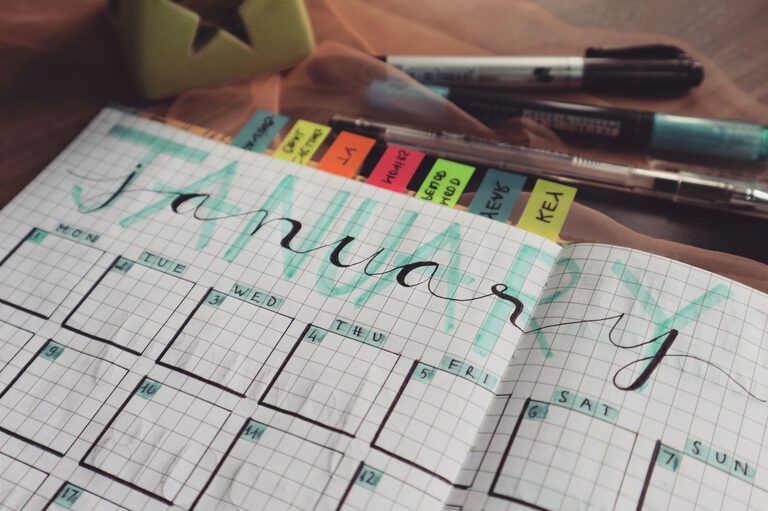
Taking time to unwind over the weekend is essential for maintaining balance and well-being. However, weekends can sometimes feel just as hectic as weekdays, with endless to-dos and social obligations. If you want to truly relax and recharge, planning a no-stress weekend is key. Here’s a straightforward guide to help you create a peaceful, enjoyable weekend that leaves no room for stress.
Why Planning a No-Stress Weekend Matters
Often, weekends become the time when we try to catch up on chores, errands, and social activities. While staying productive can be good, it may also lead to burnout if you don’t allocate time for rest. A carefully planned no-stress weekend can:
– Help reduce anxiety and mental clutter
– Improve sleep quality and energy levels
– Create space for hobbies and self-care
– Foster a positive mindset for the week ahead
Step 1: Set Realistic Goals for Your Weekend
Start by thinking about what you want your weekend to feel like. Would you prefer restful downtime, light activity, or quality time with loved ones? Write down a few simple goals such as:
– Relax and disconnect from work emails
– Spend time outdoors
– Read a book or watch a favorite show
– Enjoy a hobby or creative activity
– Catch up with friends or family without rushing
Being clear about your intentions will help you avoid packing your schedule full.
Step 2: Create a Flexible Schedule
While the idea is to avoid stress, having a loose plan can prevent last-minute pressure. Try:
– Blocking out time for rest, like a morning lie-in or afternoon nap
– Scheduling enjoyable activities, such as a walk in the park or cooking a special meal
– Keeping some time open for spontaneity and relaxation
Avoid overbooking yourself. Remember, the goal is to balance activity with downtime.
Step 3: Prepare Ahead of Time
Nothing adds stress like scrambling over last-minute tasks. Before the weekend arrives:
– Finish critical work tasks on Friday or earlier
– Stock up on groceries to avoid unnecessary errands
– Plan your meals to save time and avoid decision fatigue
– Lay out comfortable clothes or create a cozy space for relaxation
A little preparation will pay off with a smoother, more peaceful weekend.
Step 4: Disconnect from Technology
Digital devices can be a source of stress if they pull you into work or social media turbulence. Consider:
– Setting specific times to check your phone or email
– Turning off work notifications during weekend hours
– Using “Do Not Disturb” modes to minimize distractions
Unplugging helps you stay present and enjoy your time fully.
Step 5: Prioritize Self-Care
Make self-care a non-negotiable part of your weekend. Some ideas include:
– Taking a warm bath or practicing mindfulness meditation
– Doing gentle yoga or stretching
– Reading a favorite book or listening to calming music
– Spending time in nature, even if just a backyard garden
These activities nurture both body and mind.
Step 6: Be Mindful of Social Commitments
It’s natural to want to see friends and family, but overcommitting can lead to exhaustion.
– Politely decline invitations that don’t feel energizing
– Suggest low-key gatherings like coffee or a walk
– Communicate your need for quiet time clearly
Balancing social time with personal relaxation is important.
Step 7: Embrace Simple Pleasures
Sometimes, the most fulfilling moments come from simple activities:
– Watching the sunrise or sunset
– Cooking a favorite comfort food
– Journaling about your week or your goals
– Doing puzzles, crafts, or other hobbies
Focusing on these pleasures keeps stress at bay.
Step 8: Reflect and Adjust
At the end of your no-stress weekend, take a moment to reflect:
– What activities made you feel relaxed and happy?
– Were there any moments that caused stress?
– How can you plan your next weekend differently?
Use these insights to improve future weekends.
—
Sample No-Stress Weekend Schedule
| Time | Activity |
|—————|——————————|
| Saturday | |
| 8:00 – 9:00am | Wake up slowly, enjoy coffee |
| 9:00 – 10:00am| Gentle yoga or stretching |
| 10:00 – 12:00pm| Nature walk or reading |
| 12:00 – 1:00pm| Homemade lunch |
| 1:00 – 3:00pm | Creative hobby or nap |
| 3:00 – 5:00pm | Light social activity or downtime |
| 5:00 – 7:00pm | Prepare and enjoy dinner |
| 7:00 – 9:00pm | Relax with music or TV |
| Sunday | |
| 8:00 – 9:30am | Leisurely breakfast |
| 9:30 – 11:00am| Journaling or mindfulness |
| 11:00 – 1:00pm| Visit a park or garden |
| 1:00 – 2:00pm | Lunch |
| 2:00 – 4:00pm | Nap or quiet time |
| 4:00 – 6:00pm | Prepare for the week ahead |
| 6:00 – 8:00pm | Early dinner and unwind |
| 8:00 – 9:00pm | Light reading or meditation |
—
Final Tips for a No-Stress Weekend
– Say no when you need to
– Prioritize your pleasure, not productivity
– Focus on breathing and staying present
– Keep your environment tidy but don’t stress over perfection
By following these steps, you can transform your weekends into truly restorative periods. With a little intentional planning and kindness toward yourself, you’ll welcome Monday feeling refreshed and ready to take on the week.
Enjoy your no-stress weekend!
About the Author